Doi Inthanon Day Trip
Visitor Guide

Is Doi Inthanon Worth Visiting

Doi Inthanon rises 2,565 meters above sea level, making it the highest point in Thailand and the anchor of a 482-square-kilometer national park. The question isn't whether the summit exists—it's whether the trail network, royal pagodas, hill-tribe villages and montane ecosystem justify the two-hour drive from Chiang Mai.

8 min read Updated 2026-10-01 Fact-checked
Is Doi Inthanon Worth Visiting

Quick answer

Yes—is Doi Inthanon worth visiting for travelers who prioritize biodiversity, cool-climate hiking and cultural sites over beach resorts. The park protects over 360 bird species, maintains year-round waterfalls and grants vehicle access to the summit, eliminating multi-day treks. Most visitors spend four to six hours exploring the twin pagodas, Wachirathan Falls and the Ang Ka Nature Trail without feeling rushed.

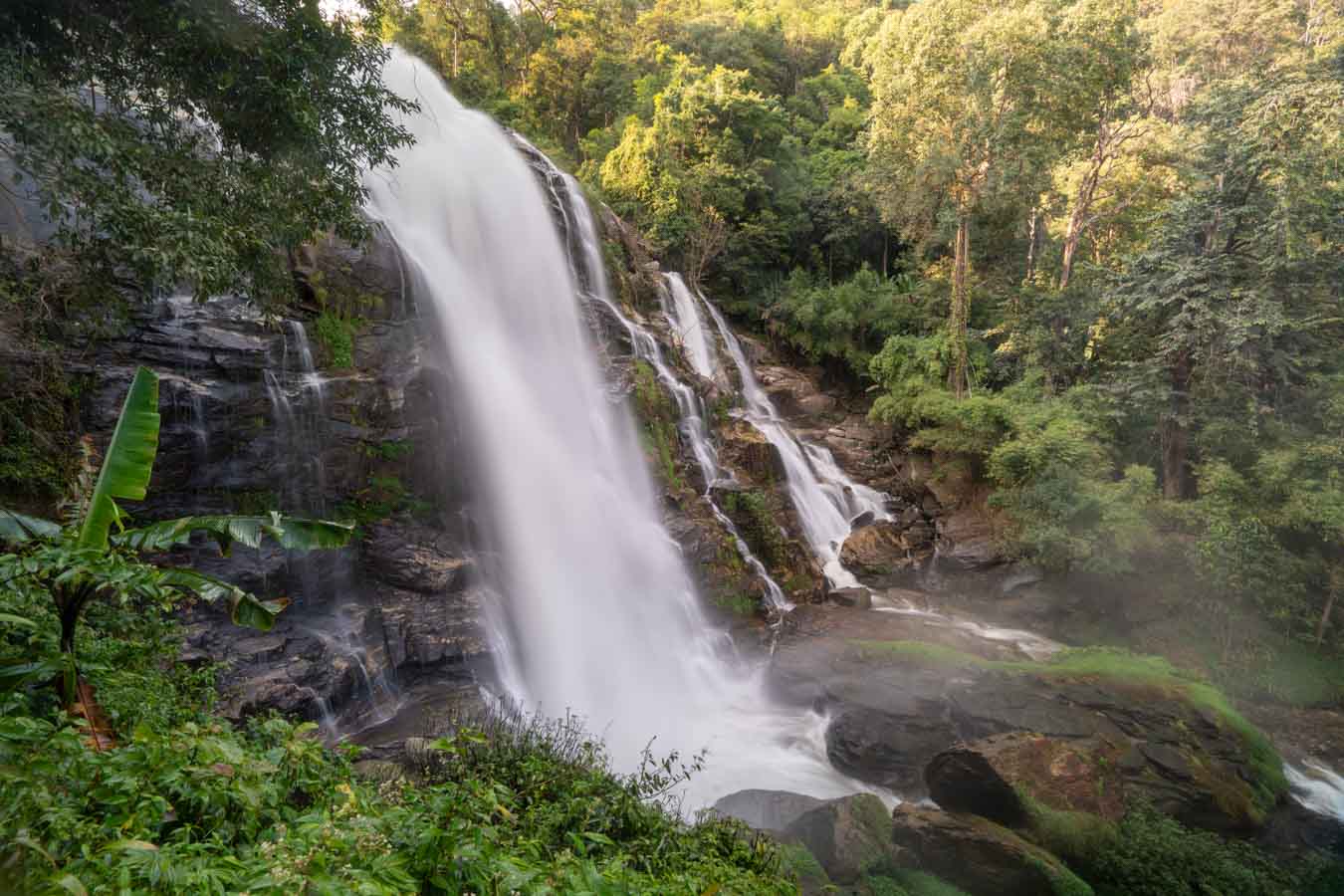
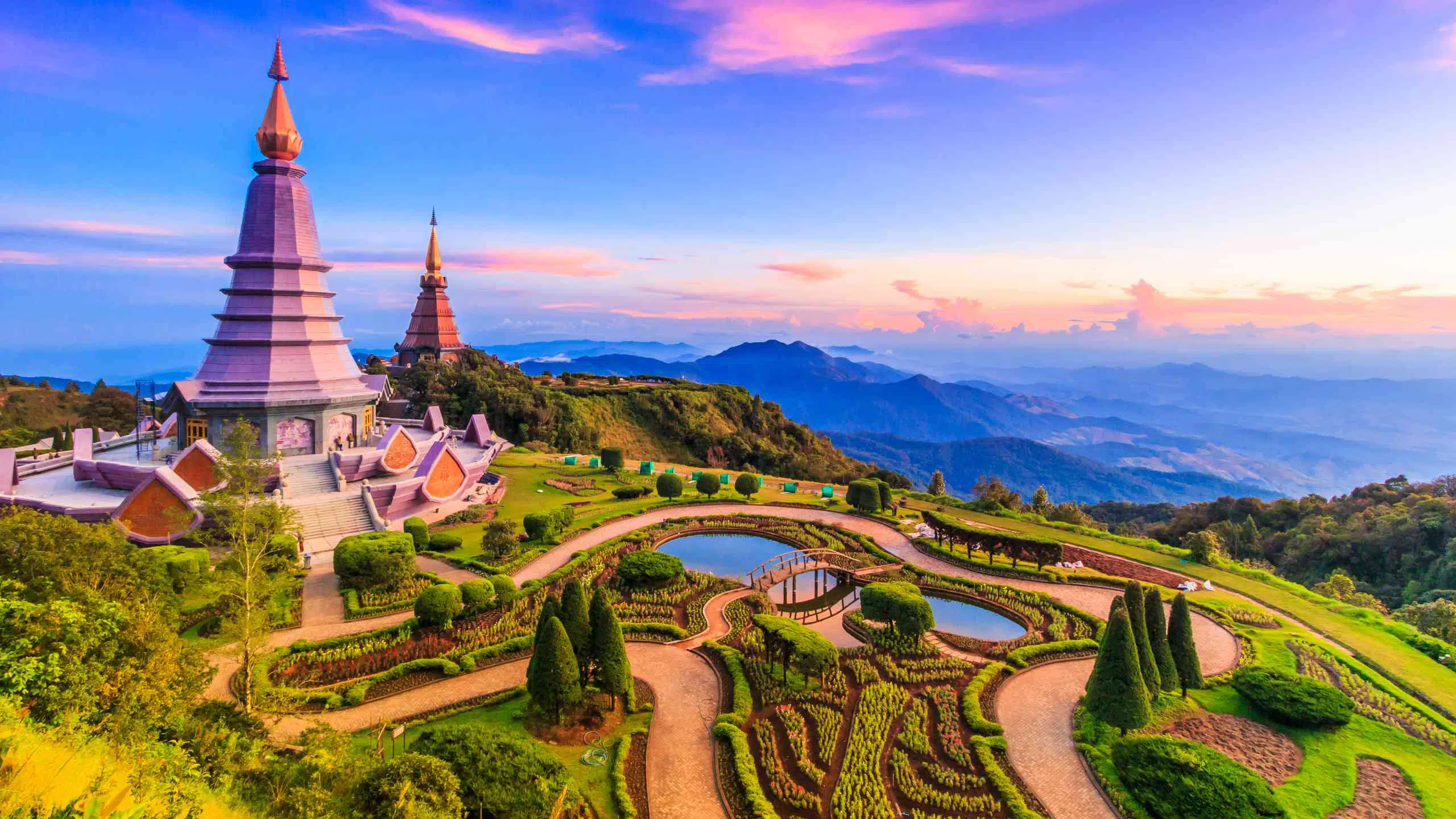
The summit of Doi Inthanon sits inside a cloud forest where temperatures drop to 10°C even in April, a microclimate rare in tropical Southeast Asia. Moss clings to the rhododendron trunks, and the air smells of wet bark and decomposing leaves. This is Thailand's only montane ecosystem accessible by paved road, a fact that shapes both the park's appeal and its visitor density. The twin pagodas—Phra Mahathat Naphamethanidon and Naphaphonphumisiri—anchor the middle elevation zone at 2,200 meters. Built in 1987 and 1992 to honor the Thai king and queen, the structures combine Lanna architectural form with manicured flower terraces that bloom year-round. The terraces draw photographers, but the real draw is the view corridor: on clear mornings the ridge line stretches unbroken to the Burmese border. Tour groups arrive between 10:00 and 14:00, so early visitors often have the pagoda courtyards to themselves. The Ang Ka Nature Trail, a 360-meter boardwalk loop through dwarf cloud forest, sits two kilometers higher and sees a fraction of the pagoda traffic. Wachirathan Falls drops 80 meters over a granite ledge at kilometer 21 of the park road, generating a mist cloud visible from the parking area. Mae Ya Falls, the park's tallest at 260 meters, requires a separate 500-meter trail but rewards the detour with tiered cascades and fewer visitors. Both falls run year-round, fed by the park's 2,500-millimeter annual rainfall. The hill-tribe villages near the park boundary—Karen and Hmong settlements that predate the park's 1972 designation—offer rice terraces, coffee farms and woven textiles, though most operate as semi-commercial stops rather than working villages. Whether exploring Thailand's highest mountain is worth your time depends on your tolerance for switchback roads and your interest in montane ecology over coastal temples. The park delivers measurable altitude, endemic species and infrastructure that removes logistical friction, but it will never feel remote. The conservation fee is 300 THB per foreign adult, and the site opens daily from 05:00 to 18:00.

“This is Thailand's only montane ecosystem accessible by paved road, a fact that shapes both the park's appeal and its visitor density.”
Timing

When Is Doi Inthanon Worth Visiting for Optimal Conditions?

The best arrival window is 06:00–09:00 to avoid peak mid-day heat and large tour group crowds. Selecting the right season ensures better visibility and more comfortable hiking temperatures.

November to February

High

Cool and dry, 5°C to 20°C

The peak season offers the clearest skies and coldest temperatures. This is the best time for photography at higher elevations.

March to May

Moderate

Hot and hazy, 20°C to 30°C

This period features higher temperatures and occasional agricultural burning haze. Air quality varies significantly during these months.

June to October

Low

Wet and humid, 15°C to 25°C

Expect frequent rainfall and lush, green landscapes. Trails may be muddy, but crowds are significantly thinner.

Weekday mornings

Low

—

Arriving early on weekdays minimizes interactions with large tour groups. This timing provides quieter access to popular trails and viewpoints.

Verdict: For optimal conditions, plan to visit on a weekday between November and February, ensuring arrival at the 06:00–09:00 window.

What to see

Key Sights That Make Doi Inthanon Worth Visiting

Doi Inthanon National Park features diverse ecosystems ranging from cloud forests to high-altitude waterfalls and cultural landmarks. These key sites represent the primary natural and historical points of interest within the park boundaries.

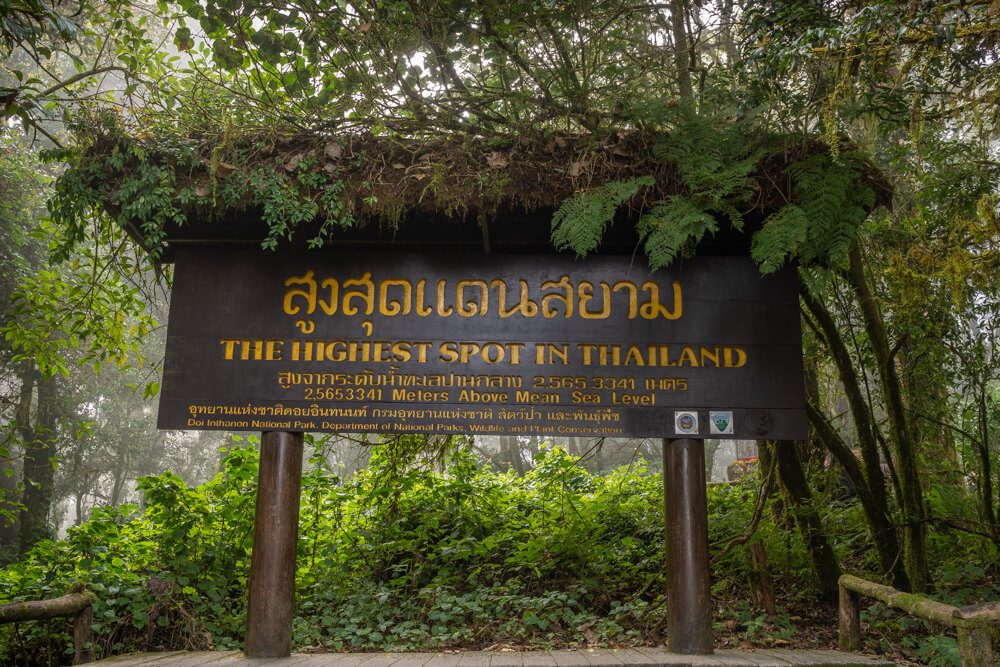
Doi Inthanon Summit

Doi Inthanon Summit

The highest point in Thailand offers a boardwalk through a high-altitude cloud forest with moss-covered trees. Walk the Ang Ka Nature Trail for a quiet forest experience.

Visit the summit marker early to avoid heavy midday tourist traffic.
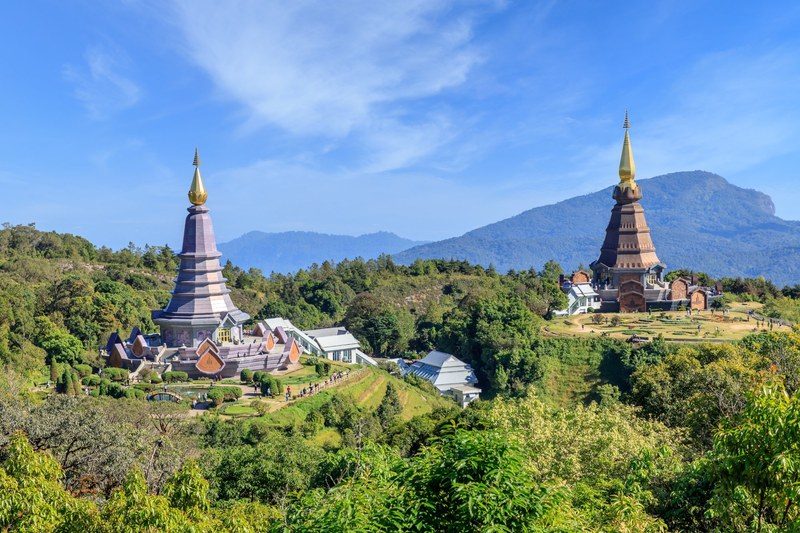
Naphamethinidon and Naphaphonphumisiri Pagodas

Naphamethinidon and Naphaphonphumisiri Pagodas

These two large chedis are dedicated to the King and Queen and are surrounded by landscaped flower gardens. Walk the terrace for views of the surrounding mountain ranges.

Look for the panoramic viewing deck behind the pagodas.

Wachirathan Waterfall

Wachirathan Waterfall

A powerful tiered waterfall that creates a significant mist at its base. Observe the falls from the primary viewing platform accessible via a short path.

Stand near the railing to feel the spray from the cascade.

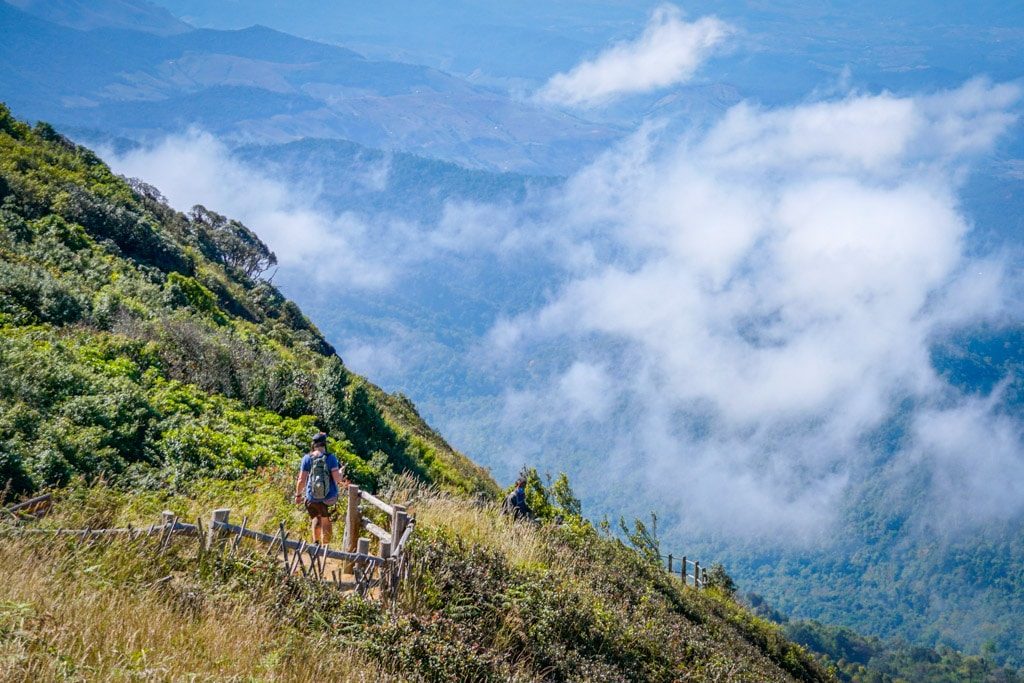
Kew Mae Pan Nature Trail

Kew Mae Pan Nature Trail

This trail offers high-elevation ridge views and transitions through dense forest and open grassland. It is a location for observing birds and native flora.

A local guide is required for access during the hiking season.

Opening hours

Operating Hours for Planning Your Doi Inthanon Visit

Doi Inthanon National Park maintains consistent daily operating hours throughout the year to accommodate visitors. You may plan your itinerary for any day of the week according to the schedule below.

Monday
05:00–18:00
Tuesday
05:00–18:00
Wednesday
05:00–18:00
Thursday
05:00–18:00
Friday
05:00–18:00
Saturday
05:00–18:00
Sunday
05:00–18:00
Visitors are typically expected to conclude their visit by the 18:00 closing time.
Directions

How to Reach Doi Inthanon if You Decide It Is Worth Visiting

Doi Inthanon National Park is located in the Chom Thong District of Chiang Mai, approximately 100 kilometers southwest of the city center. Most visitors reach the park via private vehicle or hired transport, as public transit options to the summit are limited.

Car 2 hours —

Route 108 to Chom Thong, then Route 1009 to the park entrance

Taxi 2 hours Variable

Private hire from Chiang Mai city to the summit

Bus 3–4 hours Low cost

Local songthaew from Chiang Mai Gate to Chom Thong, then transfer to a park-bound songthaew

Visitors typically enter via the main checkpoint on Route 1009. Coordinating private transport in advance is recommended to ensure direct access to the various trailheads and viewing points across the park.

Book

Check availability

Frequently asked

Common Questions About Visiting Doi Inthanon

Everything you need to know about is doi inthanon worth visiting

Is Doi Inthanon worth visiting?

Doi Inthanon is often considered a highlight for travelers due to its high-altitude trails, cool climate, and diverse ecosystem. Whether the experience is doi inthanon worth visiting depends on your interest in nature, alpine flora, and cultural heritage sites like the royal pagodas. Many visitors find the elevated landscapes and cloud forests provide a unique contrast to the Chiang Mai city environment.

What is the best way to plan a Chiang Mai mountain tour?

Planning a Chiang Mai mountain tour typically involves arranging private or group transport to navigate the winding roads up the peak. Booking in advance ensures you can reach the summit and key nature trails efficiently without logistical stress.

Are there specific entrance fees for the park?

The entrance fee is 300 THB per foreign adult as a conservation fee for the national park. Please note that this fee supports the maintenance of the park facilities and trail preservation.

What time does the national park open?

The park is open daily from 05:00 to 18:00 throughout the week. Access remains consistent across Monday through Sunday to accommodate early sunrise viewers and late-afternoon explorers.

Is Doi Inthanon worth visiting with young children?

For families, the park is manageable if you stick to the boardwalks and shorter nature trails. While is doi inthanon worth visiting with kids is a common question, the paved walkways around the pagodas and visitor centers are generally accessible and offer plenty of educational space.

What is the best time of day to arrive at the park?

The best arrival window is 06:00–09:00 to avoid peak mid-day heat and large tour group crowds. Arriving during this time allows you to explore the humid montane forest and peak viewpoints while conditions are clearest.

Is it possible to visit the summit on a day trip?

Yes, the summit is easily accessible by vehicle, making it a common destination for a full-day excursion from the city. Travelers frequently combine the peak with waterfall stops and local market visits to maximize their time.

How do I determine if is doi inthanon worth visiting for my schedule?

Deciding if is doi inthanon worth visiting involves looking at your available time, as the journey requires a significant portion of the day. If you appreciate panoramic views and alpine environments, the travel time is generally rewarded by the scenery found at the summit.

What are the main landmarks to see inside the park?

Main landmarks include the twin royal pagodas, the Kew Mae Pan nature trail, and several cascading waterfalls. Each site is well-marked and provides distinct perspectives of the park's lush geography.

Why is doi inthanon worth visiting compared to other hill stations?

The park stands out because it contains the highest point in Thailand, offering cooler temperatures and rare bird species not found elsewhere. This distinct microclimate is why many travelers conclude is doi inthanon worth visiting as part of their northern itinerary.

Keep reading

More guides & pages